At some point, you look at your product and realize how messy it has become.
The onboarding has grown.
Settings are full of options.
There are buttons everywhere.
Features overlap.
Some flows feel inconsistent.
New users seem overwhelmed.
Nobody intentionally designed it this way.
It happened one decision at a time.
Most founders look at this and think: "We need a redesign."
I don't think that's the real problem.
I think your product is simply reflecting the way your team makes decisions.
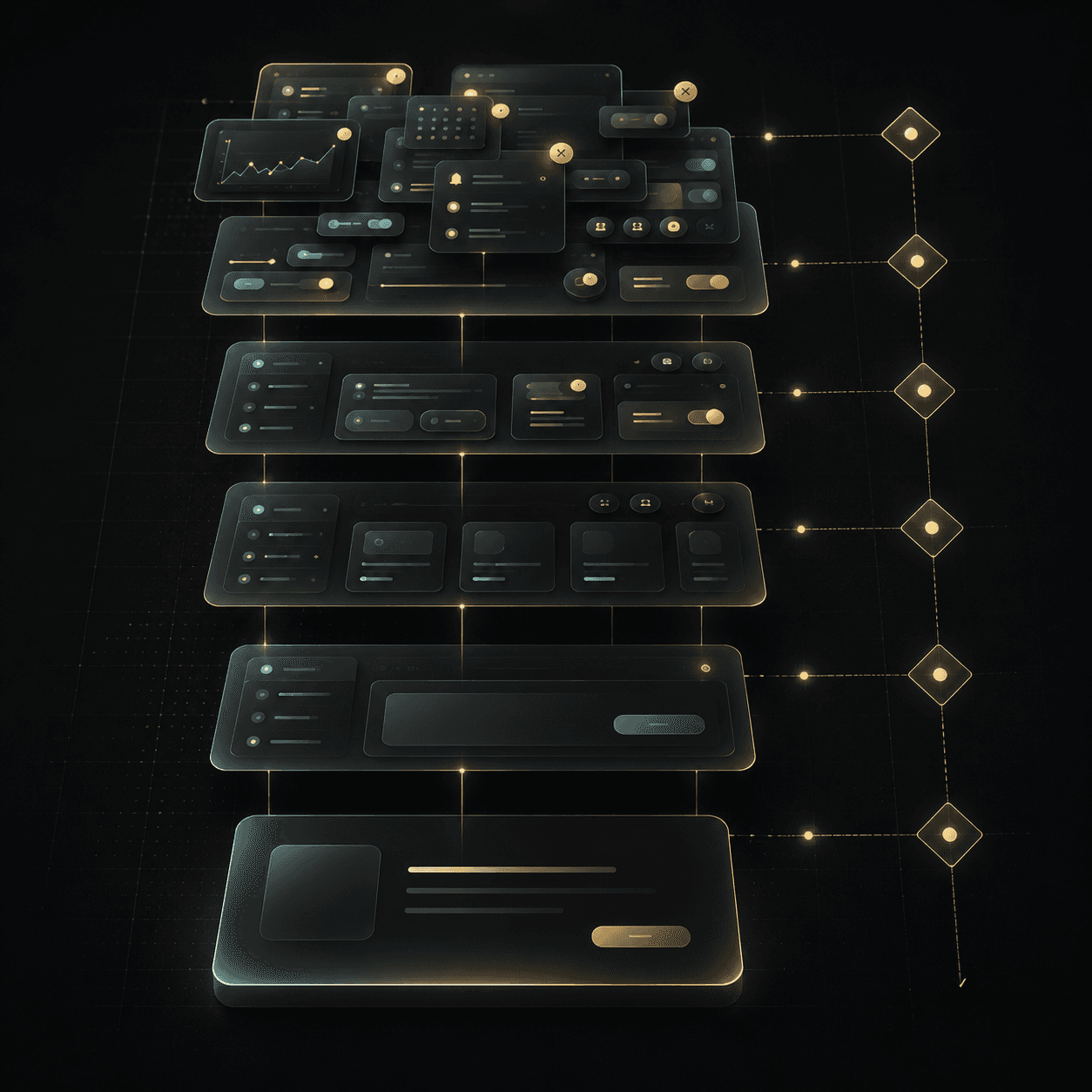
Every team has a product design process
When I say "process," most people imagine roadmaps, prioritization frameworks, and planning meetings.
But every team has a process, even if they don't realize it.
A customer asks for a feature.
Sales says it could help close a deal.
Someone notices a competitor doing something interesting.
An engineer has an idea.
The founder thinks, "That makes sense."
So the team builds it.
That's a process.
The question isn't whether you have one.
The question is whether it's producing the product you actually want.
Because if your product keeps becoming more complex over time, chances are your process isn't filtering decisions very well.
Building isn't the hard part anymore
AI has changed software development forever.
Building new features is becoming faster and cheaper every month.
Which means the real competitive advantage is no longer how quickly you can build.
It's how well you decide what deserves to be built.
Every feature has a hidden cost.
It needs to be maintained.
It introduces new edge cases.
It competes for your users' attention.
It makes the product a little harder to understand.
It makes future decisions more complicated.
The cost isn't building the feature.
The cost is living with it.
The problem isn't adding features
The problem is adding features without a filter.
Many teams evaluate every idea on its own.
"This onboarding step increased activation."
Great.
But did it reduce conversion?
"This notification center increased engagement."
Great.
Did it increase churn somewhere else?
"This enterprise feature helped us land a big customer."
Amazing.
Did it make the product significantly more complex for everyone else?
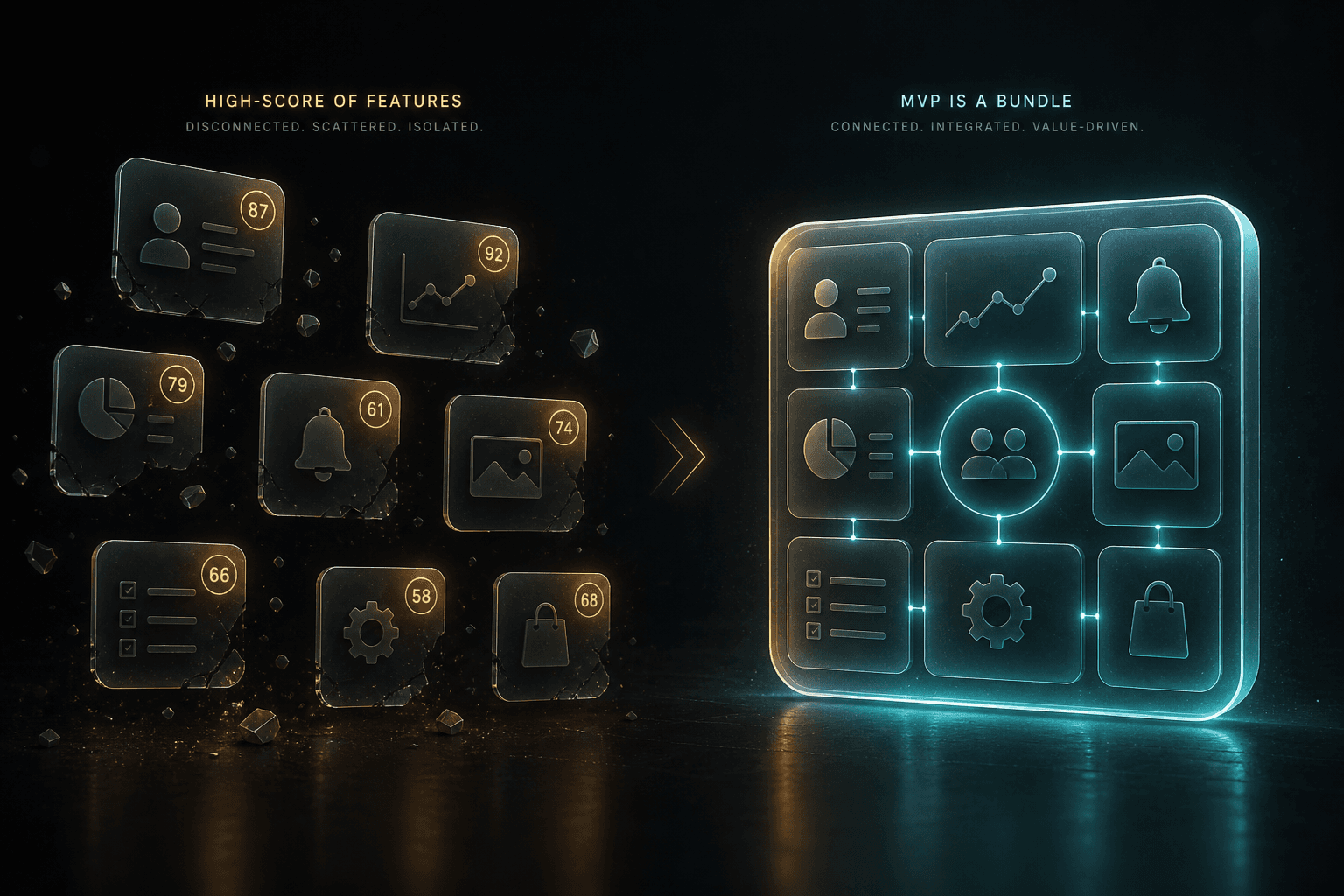
Every one of these decisions might be correct in isolation.
But products aren't experienced in isolation.
They're experienced as a whole.
A product can slowly become worse even though every individual decision looked like a good one.
Your strategy should make most decisions for you
People often ask me which prioritization framework they should use.
RICE.
ICE.
MoSCoW.
Whatever framework you use, it won't solve the real problem if your strategy isn't clear.
Because your strategy should be the filter.
Imagine you're planning to raise funding next year.
Investors care about revenue.
Revenue becomes your North Star.
Now two ideas land on your desk.
Build a paid plan.
Expand into a new market to acquire more free users.
Both are good ideas.
But only one moves you closer to your current objective.
The other isn't rejected because it's bad.
It's rejected because it doesn't serve your strategy today.
A good strategy doesn't just tell you what to build.
It helps you confidently reject everything else.
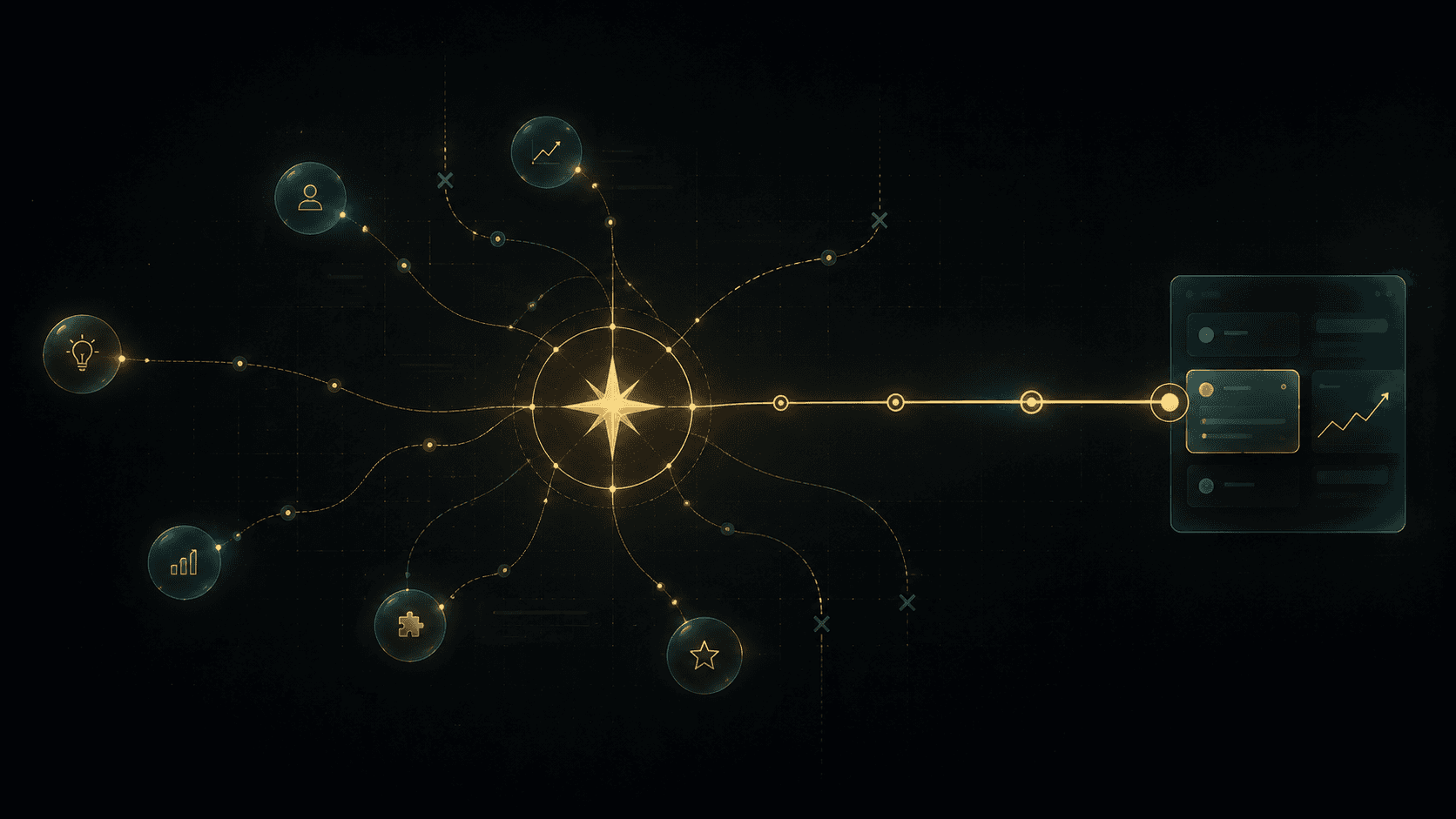
The default answer should be "No."
That sounds counterintuitive.
Especially now that AI makes building almost effortless.
But that's exactly why it matters.
The easier it becomes to build, the more disciplined you need to be about saying no.
Every idea should have to earn its place.
Not because it's difficult to build.
Because every "yes" permanently increases the complexity of your product.
The default answer shouldn't be: "Why not?"
It should be: "Why?"
What evidence do we have?
How does this support our strategy?
What impact do we expect?
What will success look like?
And what would make us remove it if it doesn't work?
Only strong signals should turn a "no" into a "yes."
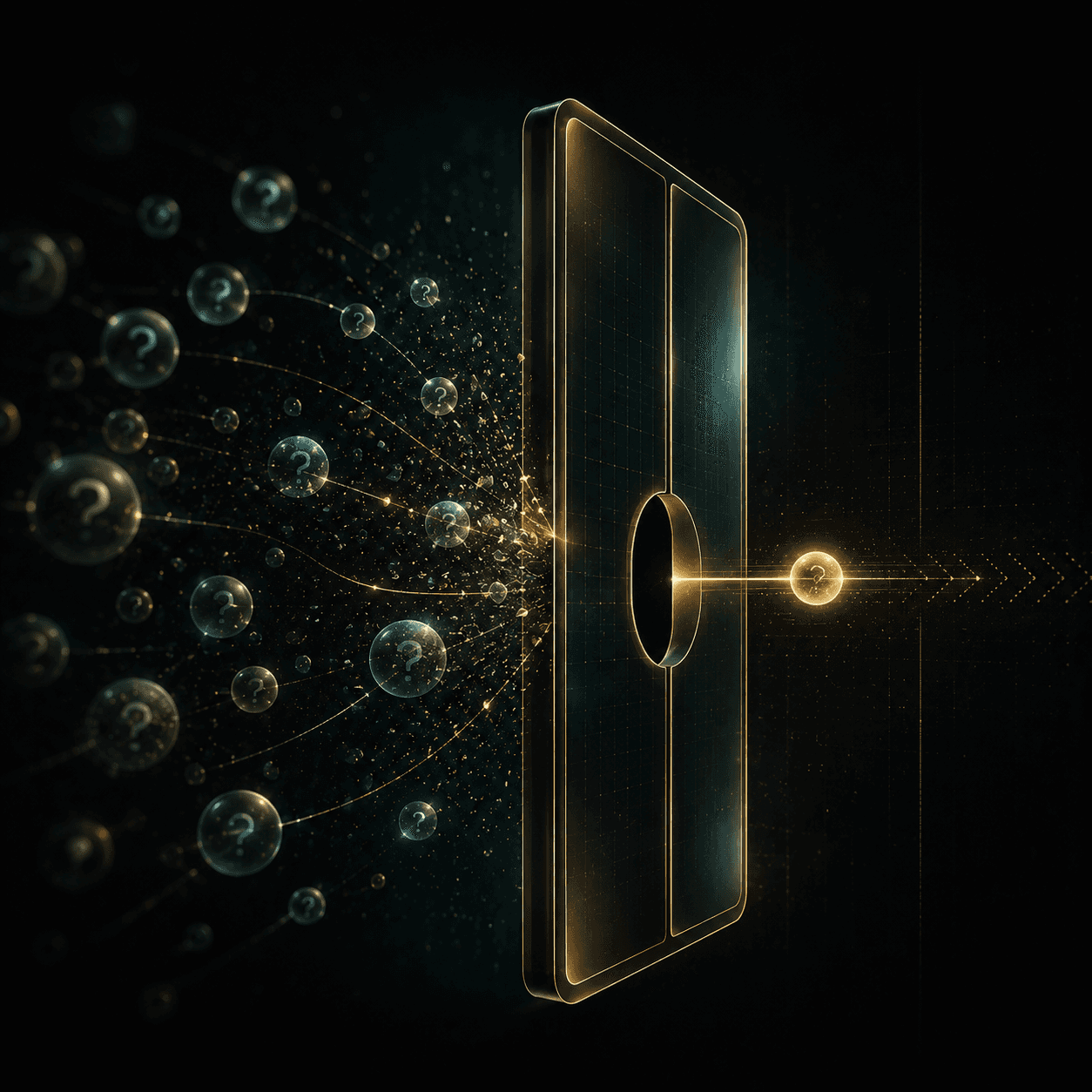
Experiment aggressively. Commit carefully.
None of this means you should stop experimenting.
You should experiment constantly.
That's how great products are built.
But experiments are temporary by default.
They shouldn't become permanent simply because they were shipped.
Every experiment should begin with a hypothesis.
What are we trying to learn?
How will we measure success?
When will we evaluate the results?
And under what conditions will we remove it?
The best product teams aren't the ones that build the most experiments.
They're the ones that know when an experiment has failed, and aren't afraid to kill it.
Your product reflects your thinking
The next time you look at your product and think: "This has become a Frankenstein."
Don't start by redesigning the interface.
Start by auditing the process that created it.
Ask yourself:
- Why did we say yes to these features?
- What signals were we using?
- Were those signals aligned with our strategy?
- Where in our decision-making process did we allow unnecessary complexity to enter?
Because your product isn't the result of a few bad design decisions.
It's the result of thousands of product decisions.
Improve the way your team makes those decisions, and the product will naturally become simpler, more focused, and far more valuable.