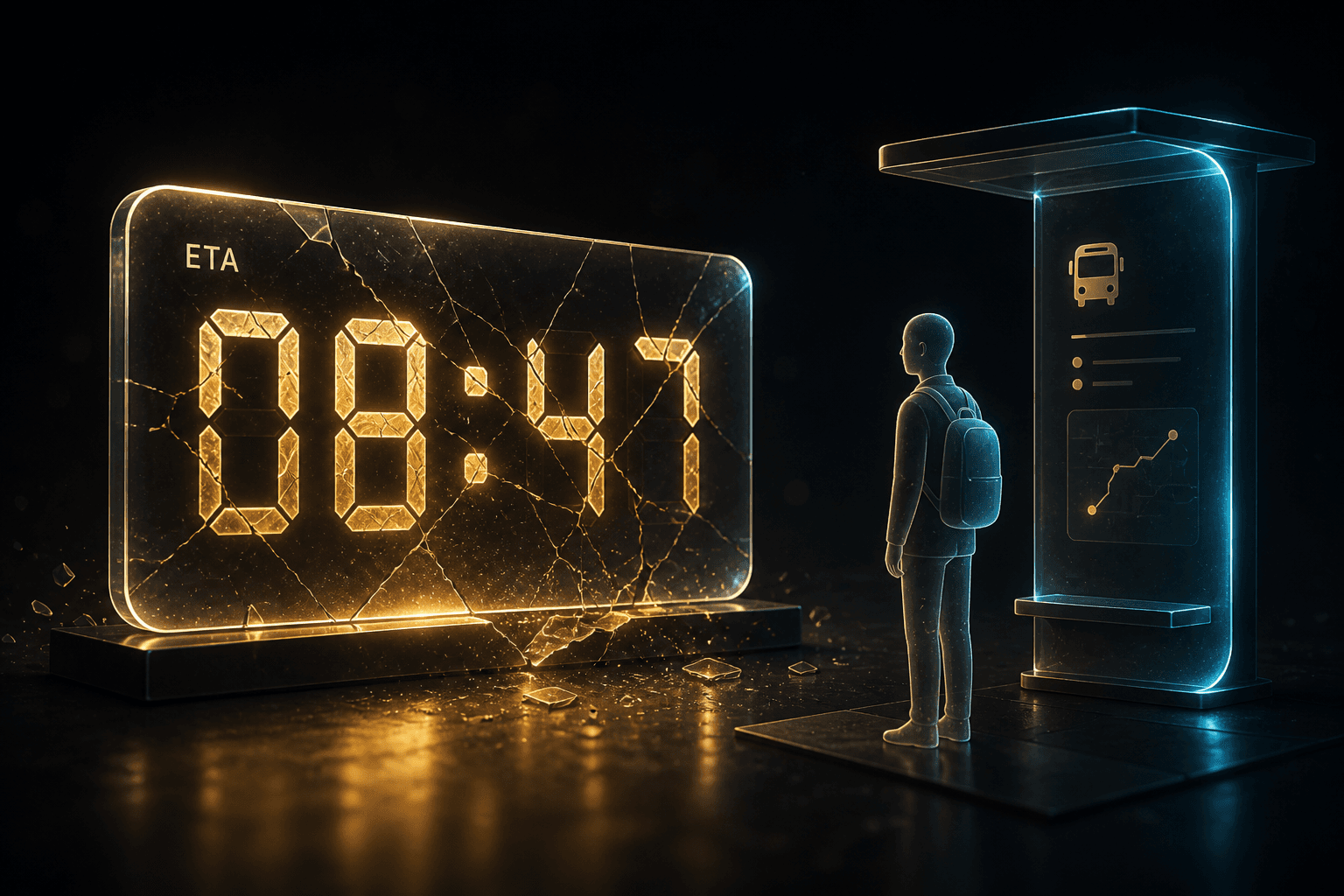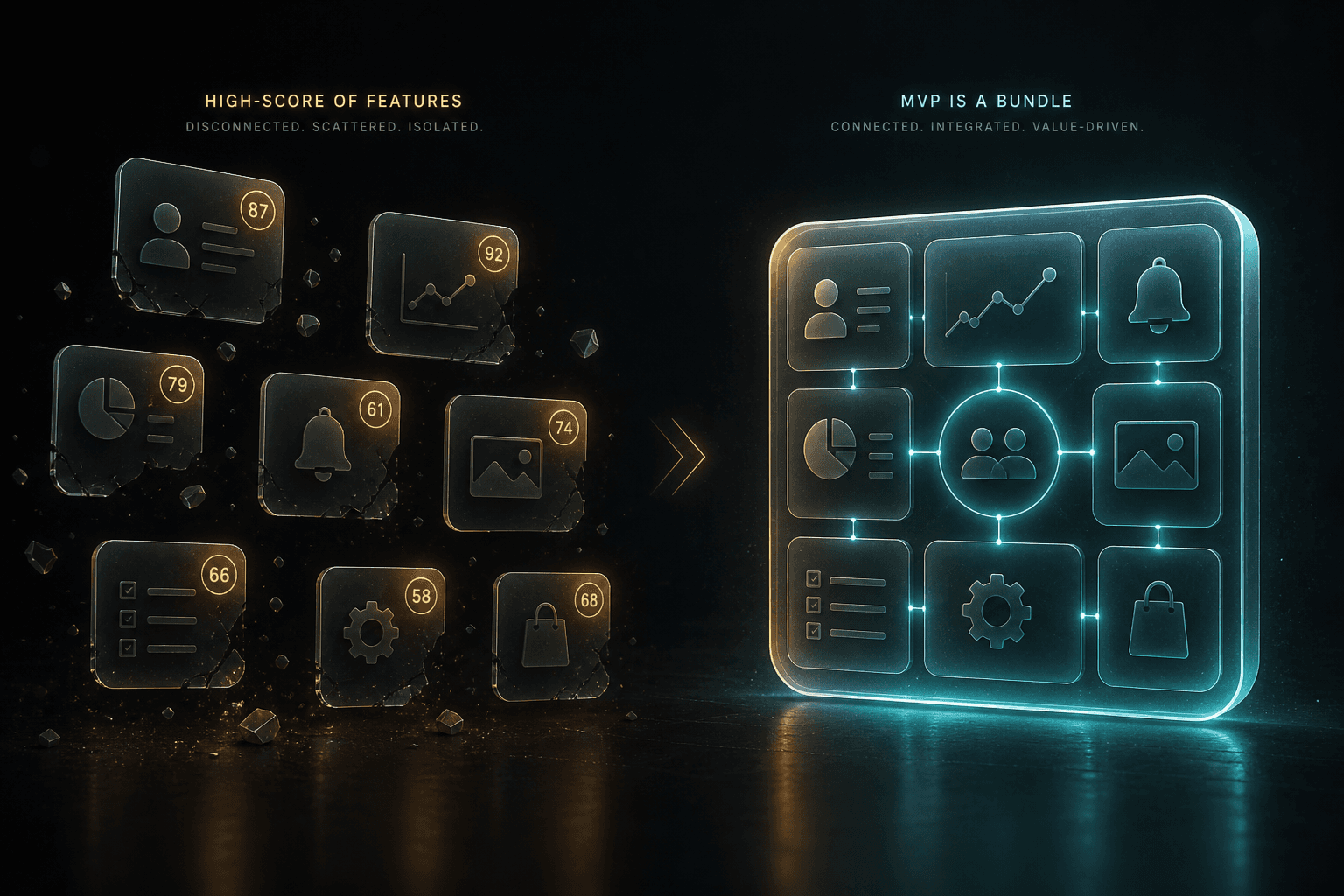
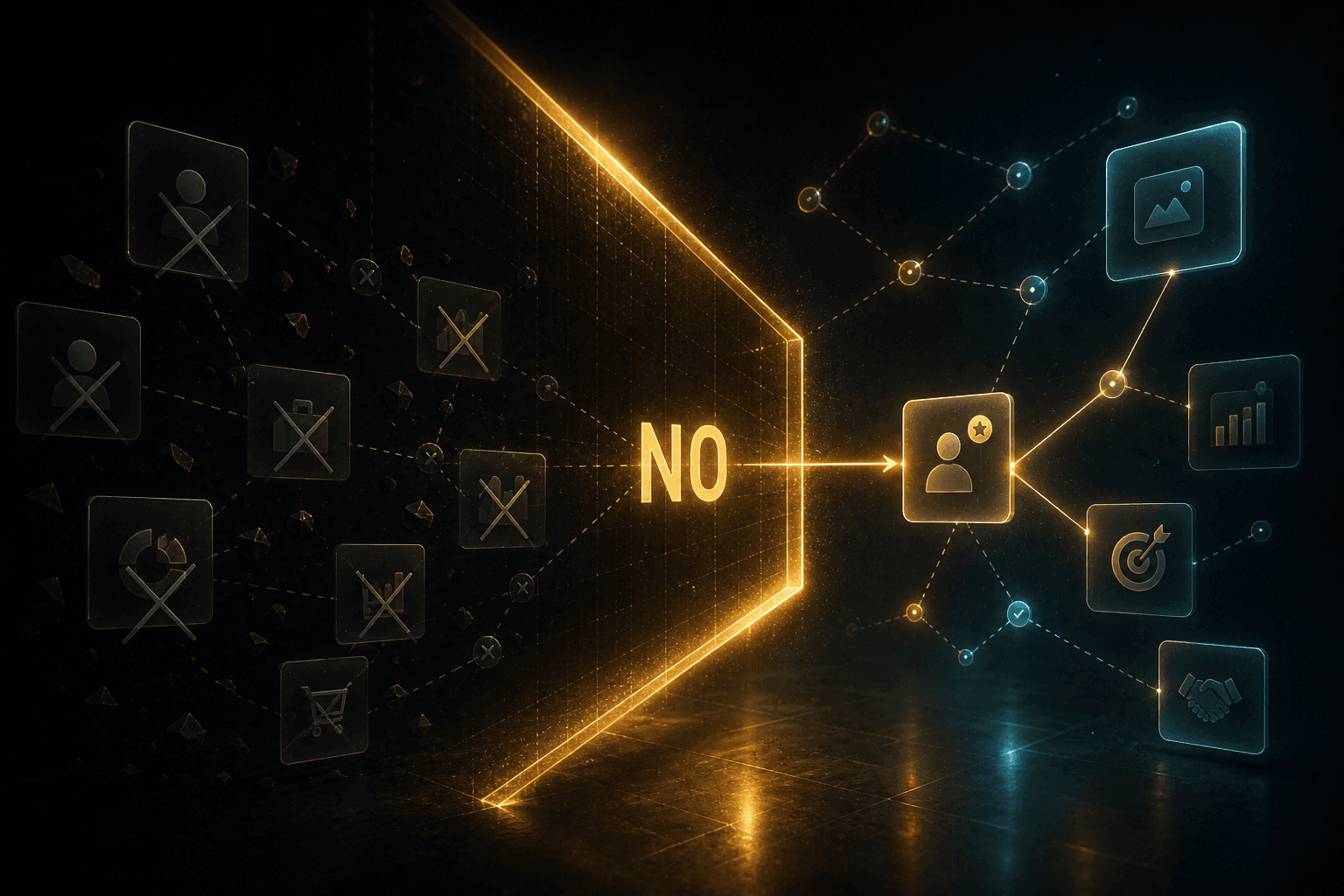
Most products have two users hiding inside one screen.
The returning user who already knows the product.
And the first-time user who doesn’t.
Teams usually design for the first group, because that’s the product they want to believe in.
Then they wonder why activation stalls.
Why this keeps happening
Activation problems rarely start as a copy problem.
They start when the team designs setup for the person who already understands the product, usually themselves.
Founders and CTOs who own design by default live inside the happy path.
They already know what to search for, which defaults matter, and which screen is “home.”
So the first-run flow quietly encodes that expertise.
New users don’t have it yet.
The destination can still be right for people who stick around.
The path into that destination is what’s wrong.
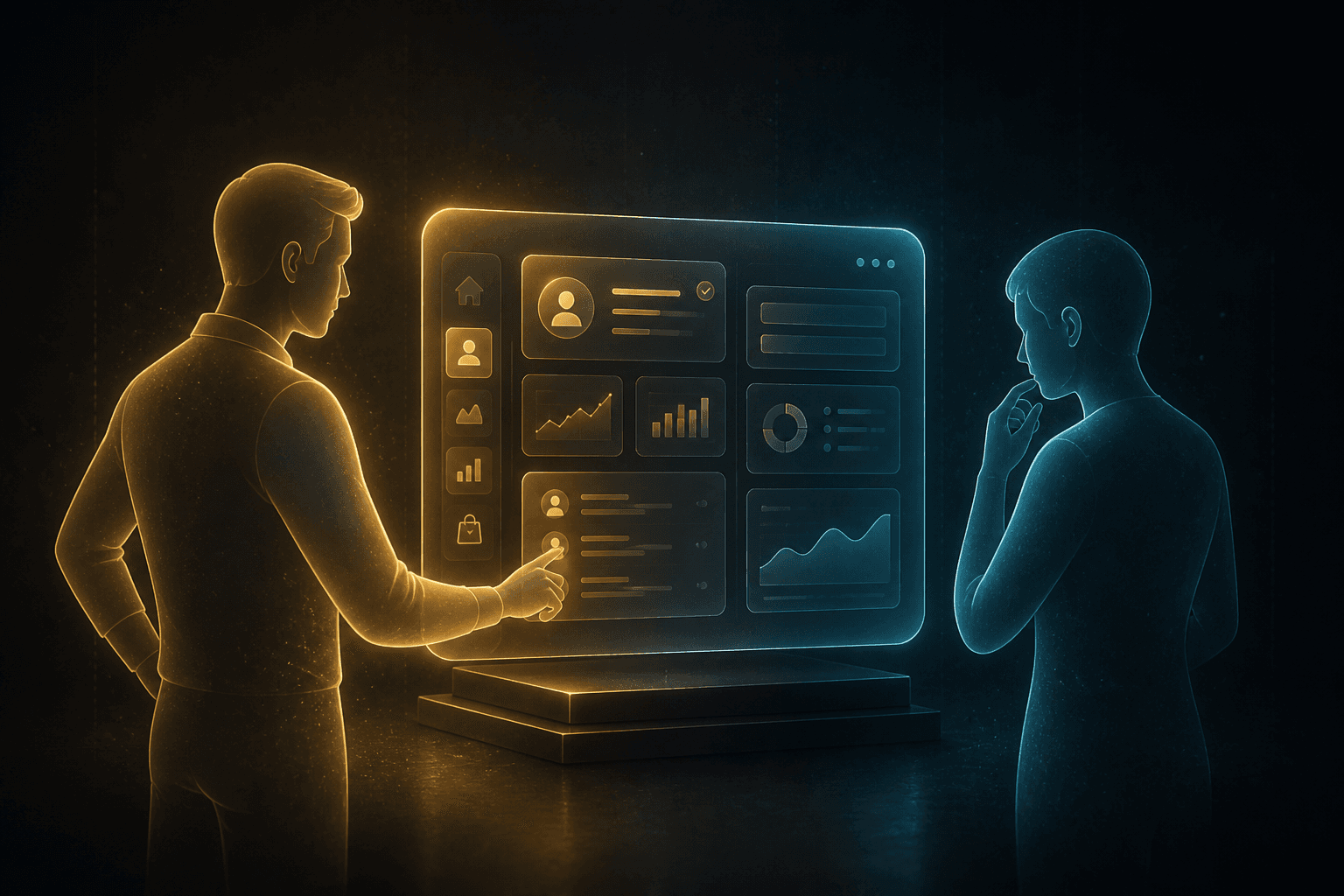
That creates a familiar pattern: strong ideas for returning users, weak day-one conversion, and endless debates about whether the empty state needs clearer text.
Copy isn’t usually the bottleneck.
Mental model mismatch is.
What soft launch revealed in SePoso
SePoso is a mobile-first Athens bus and trolley app that puts a daily commuter’s arrival on the home screen without repeating the official line-first search.
The product thesis for returning riders was stop-first:
Save your stop and lines once.
Open the app.
See the arrival.
That still holds for the daily commute.
But during soft launch, people setting up favorites behaved differently.
They searched line first, then found the stop.
They often didn’t remember stop names.
They skipped empty-state education and went straight into search, using the mental model they already had from the official app.

We had designed the happy path for people who already lived in SePoso’s world.
New users were still living in OASA’s.
The decision
We reworked the add-favorite and onboarding paths to match how people actually search:
- One unified search for lines and stops
- A clear line → stop path
- A stop path when they know the stop
- Recent searches when the field is empty
- Favorites setup that doesn’t force stop-name recall

Stop-first home stayed.
What changed was the bridge into it.
Returning-user IA and first-run IA are allowed to differ.
Treating them as one flow is how teams accidentally build “expert products” with weak activation.
What to try next time
When activation is soft, don’t start with “Make the empty state clearer.”
Start with:
- What do users try to do in the first 30 seconds?
- Which of our “smart defaults” require knowledge they don’t have yet?
- Are we optimizing the destination screen or the path to first value?

If day-one behavior contradicts the architecture you love for power users, keep the destination. Rebuild the on-ramp.
If this sounds familiar
If your team keeps polishing setup screens while users keep taking a different path, you don’t need more UI opinions.
You need someone who can own the activation decision end to end.
If this kind of product judgment is what you’re trying to install on your team, we’re happy to talk. And if you know someone else who should be in that conversation, we’d love an intro.